The 10 Highest Mountains in the World
The ten highest mountains on Earth all rise above 8,000 m, and every one of them stands in the same small corner of Asia — the Himalaya and the neighbouring Karakoram.
They are close in height, too: from Everest down to the tenth, they span less than 800 m, so the ranking turns on tens of metres. Here is the list, each peak located and profiled, with what makes it distinct — and, for Everest itself, how its exact height was pinned down, see the highest mountain in the world.
- 1Everest29,032 ft (8,849 m)
- 2K228,251 ft (8,611 m)
- 3Kangchenjunga28,169 ft (8,586 m)
- 4Lhotse27,940 ft (8,516 m)
- 5Makalu27,838 ft (8,485 m)
- 6Cho Oyu26,864 ft (8,188 m)
- 7Dhaulagiri I26,795 ft (8,167 m)
- 8Manaslu26,781 ft (8,163 m)
- 9Nanga Parbat26,660 ft (8,126 m)
- 10Annapurna I26,545 ft (8,091 m)
The ten highest, ranked
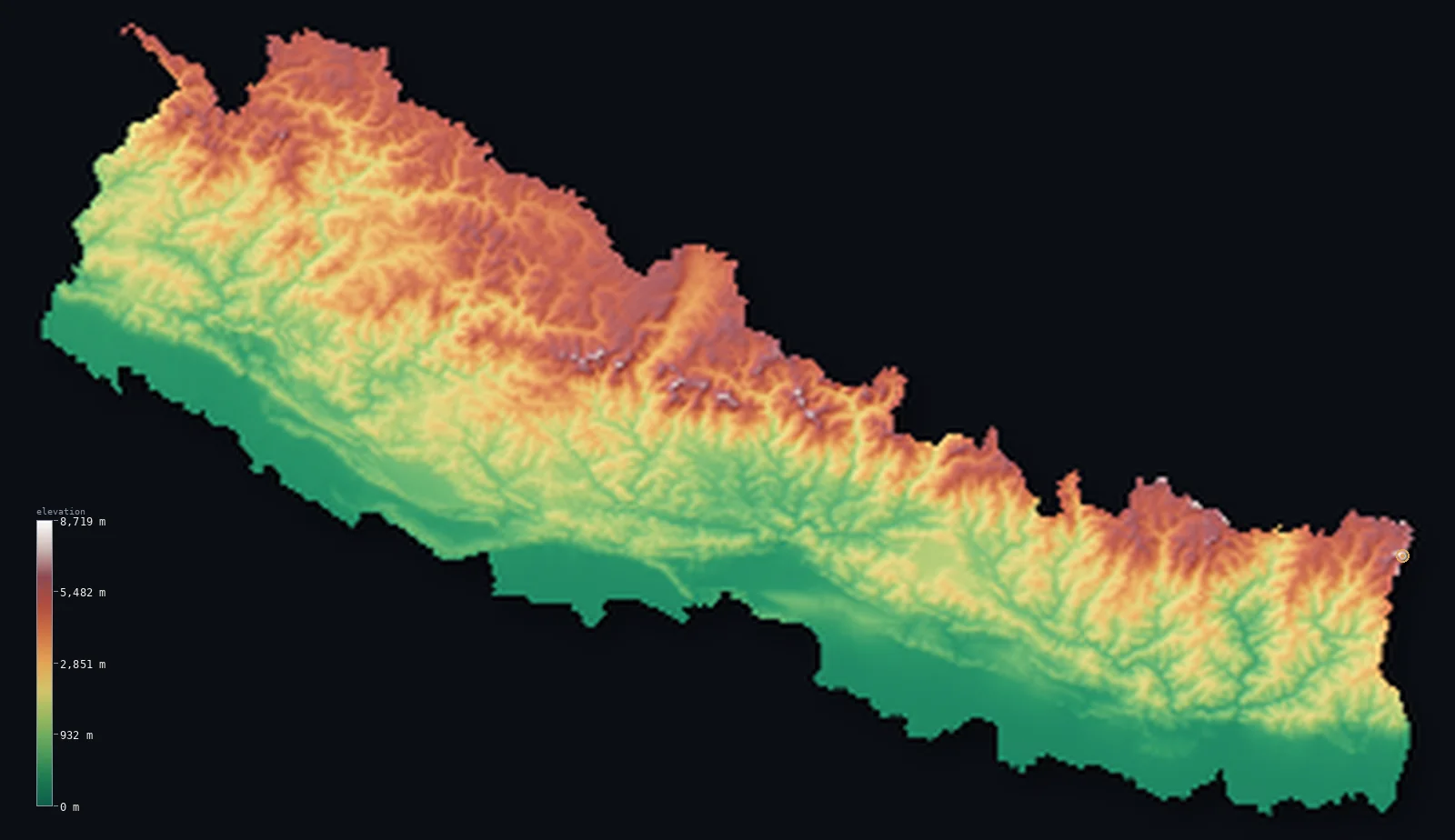
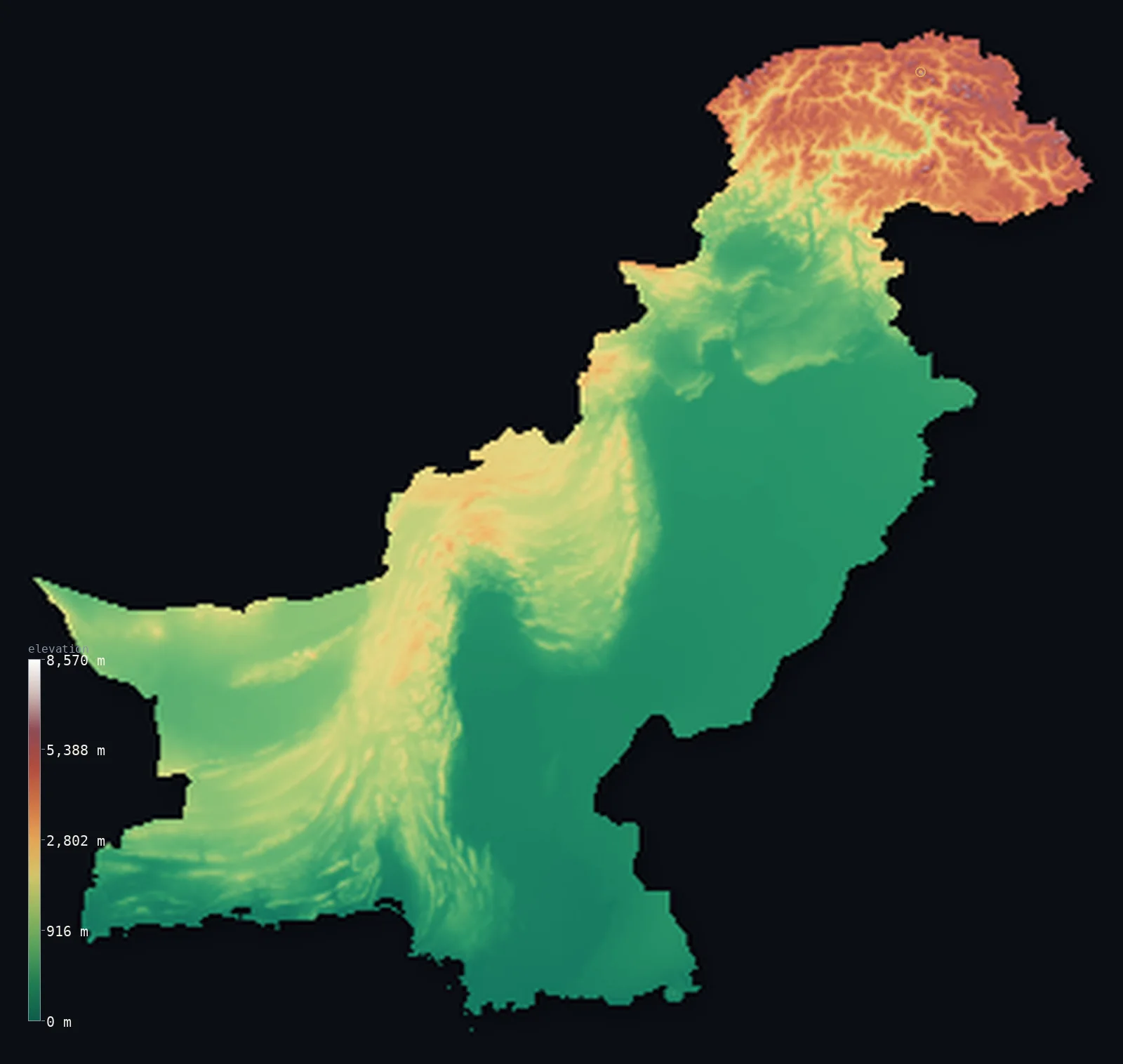
Every height below is the standard surveyed figure — Everest and K2 match the high points on our Nepal and Pakistan maps. First-ascent years and profiles are sourced from the mountaineering record.
| # | Peak | Height | Range | Border | First ascent |
|---|---|---|---|---|---|
| 1 | Mount Everest | 29,032 ft (8,849 m) | Himalaya | Nepal–China | 1953 |
| 2 | K2 | 28,251 ft (8,611 m) | Karakoram | Pakistan–China | 1954 |
| 3 | Kangchenjunga | 28,169 ft (8,586 m) | Himalaya | Nepal–India | 1955 |
| 4 | Lhotse | 27,940 ft (8,516 m) | Himalaya | Nepal–China | 1956 |
| 5 | Makalu | 27,838 ft (8,485 m) | Himalaya | Nepal–China | 1955 |
| 6 | Cho Oyu | 26,864 ft (8,188 m) | Himalaya | Nepal–China | 1954 |
| 7 | Dhaulagiri I | 26,795 ft (8,167 m) | Himalaya | Nepal | 1960 |
| 8 | Manaslu | 26,781 ft (8,163 m) | Himalaya | Nepal | 1956 |
| 9 | Nanga Parbat | 26,660 ft (8,126 m) | Himalaya | Pakistan | 1953 |
| 10 | Annapurna I | 26,545 ft (8,091 m) | Himalaya | Nepal | 1950 |
| 11 | Gasherbrum I | 26,509 ft (8,080 m) | Karakoram | Pakistan–China | 1958 |
| 12 | Broad Peak | 26,414 ft (8,051 m) | Karakoram | Pakistan–China | 1957 |
| 13 | Gasherbrum II | 26,362 ft (8,035 m) | Karakoram | Pakistan–China | 1956 |
| 14 | Shishapangma | 26,335 ft (8,027 m) | Himalaya | Tibet (China) | 1964 |
Rows 11–14 complete the fourteen eight-thousanders; heights and first ascents per the mountaineering record (see Sources).
The ten highest mountains, one by one
They are ranked by height, but each has its own character — a different range, a different first ascent, a different reputation among climbers.
- #1Mount Everest29,032 ft (8,849 m)
- In the Himalaya, on the Nepal–China border; first climbed in 1953. First climbed by Edmund Hillary and Tenzing Norgay; how its height was measured is its own long story.
- #2K228,251 ft (8,611 m)
- In the Karakoram, on the Pakistan–China border; first climbed in 1954. Far deadlier than Everest — historically about one death for every four climbers who reach the top.
- #3Kangchenjunga28,169 ft (8,586 m)
- In the Himalaya, on the Nepal–India border; first climbed in 1955. Thought to be the world's highest until 1849; revered in Sikkim, so climbers stop just short of the true summit.
- #4Lhotse27,940 ft (8,516 m)
- In the Himalaya, on the Nepal–China border; first climbed in 1956. Joined to Everest at the South Col, so the two are often climbed on one expedition.
- #5Makalu27,838 ft (8,485 m)
- In the Himalaya, on the Nepal–China border; first climbed in 1955. A striking four-sided pyramid, and one of the hardest of the giants to climb.
- #6Cho Oyu26,864 ft (8,188 m)
- In the Himalaya, on the Nepal–China border; first climbed in 1954. Widely regarded as the most accessible of the eight-thousanders.
- #7Dhaulagiri I26,795 ft (8,167 m)
- In the Himalaya, on the Nepal border; first climbed in 1960. Presumed to be the world's highest mountain from 1808 until 1838.
- #8Manaslu26,781 ft (8,163 m)
- In the Himalaya, on the Nepal border; first climbed in 1956. First climbed by a Japanese team; its name derives from a Sanskrit word for intellect or spirit.
- #9Nanga Parbat26,660 ft (8,126 m)
- In the Himalaya, on the Pakistan border; first climbed in 1953. The western anchor of the Himalaya, nicknamed the “Killer Mountain”; first climbed solo by Hermann Buhl.
- #10Annapurna I26,545 ft (8,091 m)
- In the Himalaya, on the Nepal border; first climbed in 1950. The first eight-thousander ever climbed — and the deadliest, with a fatality rate long estimated around a third.
Beyond the top 10: all 14 eight-thousanders
Exactly fourteen mountains on Earth top 8,000 m, and the last four fill out the Karakoram and the eastern Himalaya. Gasherbrum I (26,509 ft (8,080 m)), Broad Peak (26,414 ft (8,051 m)) and Gasherbrum II (26,362 ft (8,035 m)) cluster with K2 on the Pakistan–China border; Shishapangma (26,335 ft (8,027 m)) is the lowest of the fourteen — and the last to be climbed, in 1964, the only eight-thousander that lies entirely within Tibet.
Climbing all fourteen is mountaineering’s ultimate collection; only a few dozen people have done it. The full list is in the table above, rows 11 to 14.
Why they all cluster in two ranges
It isn’t chance that every giant stands within one Asian arc. Around 50 million years ago the Indian plate collided with Eurasia and kept driving north, crumpling the crust between them into the Himalaya and the Karakoram — the same collision that is still lifting these ranges a few millimetres a year.
No other mountain-building event on Earth has pushed rock so high, which is why the next-highest peak outside Asia — Aconcagua in the Andes, at about 22,838 ft (6,961 m) — doesn’t come close to the eight-thousanders. You can see how whole nations pile up here in the most mountainous countries, and what “height above sea level” even means in elevation vs altitude.
The deadliest of the giants
Height and danger don’t line up. Everest is the highest, but among summiters its death rate is relatively low — roughly one in a hundred. K2, the second-highest, is far deadlier: about one climber has died for every four who reach the summit, which is why it’s called the “savage mountain.”
Deadlier still is Annapurna I, the tenth-highest and the first ever climbed, whose fatality rate has long been estimated at around a third of those who attempt it — the worst of any eight-thousander — with Nanga Parbat not far behind. A dedicated most-dangerous-mountains guide is coming; the figures here are from the mountaineering record (see Sources).
Everest to Annapurna: the ten highest span under 800 m, all above 8,000 m — 29,032 ft (8,849 m) down to 26,545 ft (8,091 m).
K2 is the deadliest of the top few — roughly one death for every four summits, versus about one in a hundred on Everest (per the mountaineering record).
See the ranges in 3D
Most of these peaks are the high points of Nepal and Pakistan, and our maps render the Himalayan and Karakoram walls around them as real 3D terrain. Browse the full country index to explore the ranges.
Frequently asked questions
- What are the 10 highest mountains in the world?
- Everest (29,032 ft (8,849 m)), K2, Kangchenjunga, Lhotse, Makalu, Cho Oyu, Dhaulagiri, Manaslu, Nanga Parbat and Annapurna — all above 8,000 m, in the Himalaya and Karakoram.
- What is the second-highest mountain?
- K2, at 28,251 ft (8,611 m), on the Pakistan–China border in the Karakoram — lower than Everest but a far more dangerous climb.
- How many mountains are over 8,000 metres?
- Exactly fourteen — the eight-thousanders. The list runs from Everest down to Shishapangma at 26,335 ft (8,027 m).
- Which is the deadliest?
- Annapurna has the highest fatality rate — historically around a third — and K2 is the deadliest of the very top peaks. Everest, despite its height, is comparatively less lethal per summiter.
- Are they all in the Himalaya?
- Almost — most are in the Himalaya, but K2, the Gasherbrums and Broad Peak are in the neighbouring Karakoram, on the Pakistan–China border.
- What is the highest mountain in the world?
- Mount Everest, at 29,032 ft (8,849 m) above sea level. See the highest mountain in the world for how that height was measured.
Sources
Everest (29,032 ft (8,849 m)) and K2 (28,251 ft (8,611 m)) are the high points of Nepal and Pakistan in our data; the remaining heights and the first-ascent years are the standard mountaineering figures consolidated by the eight-thousander references, while the danger and fatality figures and the per-mountain details come from the individual peak records and the Himalayan Database, given here as the widely-cited estimates. Everest’s measurement history is covered in the highest mountain in the world. How this site measures elevation is on the methodology page. Built by Marko Visic.
Related
- · The highest mountain in the world — Everest in depth, and how its height was measured.
- · Most mountainous countries — the nations these ranges run through.
- · Elevation vs altitude — what “height above sea level” means.
- · More elevation deep-dives — the blog.
Everest and K2 heights from our dossiers (Copernicus GLO-30, ESA); the other eight-thousander heights, first ascents and fatality figures from the mountaineering record (eight-thousander references / Himalayan Database). Built by Marko Visic.